

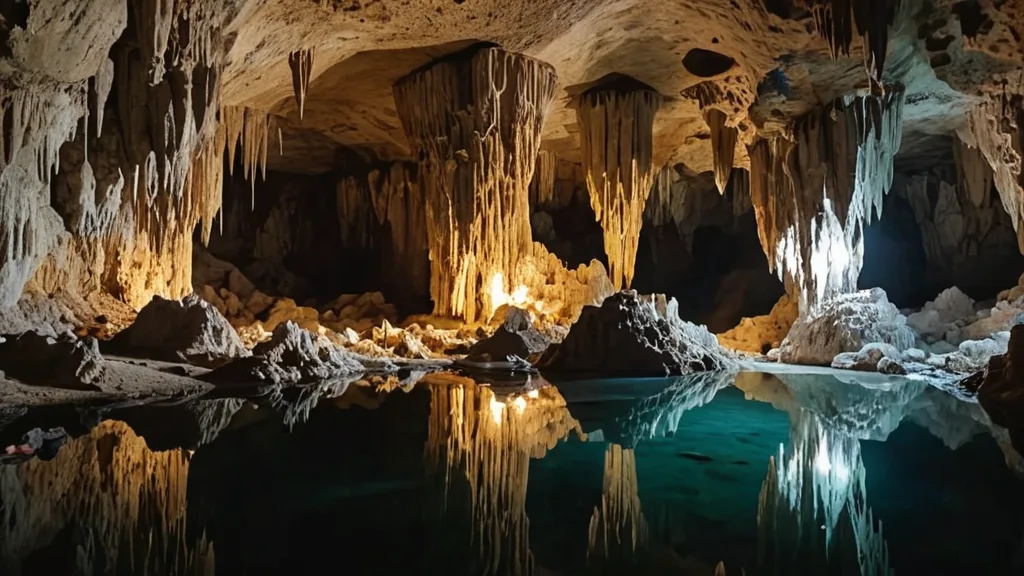
Underground caves, home to some of the most pristine and least disturbed habitats on Earth, have supported a fragile biodiversity for hundreds of thousands of years, surviving in the absence of sunlight and with extremely limited nutritional resources. However, recent biological research has revealed that a single piece of synthetic waste (such as a chip packet or processed food crumb) falling onto a cave floor can rapidly drive the troglobite fauna and chemosynthetic microorganisms in the environment toward extinction.
1. Troglobites and the Overly Balanced Dietary Pyramid
In cave ecosystems, organic carbon input is nearly zero because photosynthesis cannot occur. Species such as blind salamanders, unpigmented shrimp, and specialized fungi, which have evolved in this environment, survive with minimal energy consumption. The sudden introduction of a processed human food containing oils and preservatives triggers an explosion of aggressive external mold and bacterial colonies (such as and ) that displace the local microorganisms.

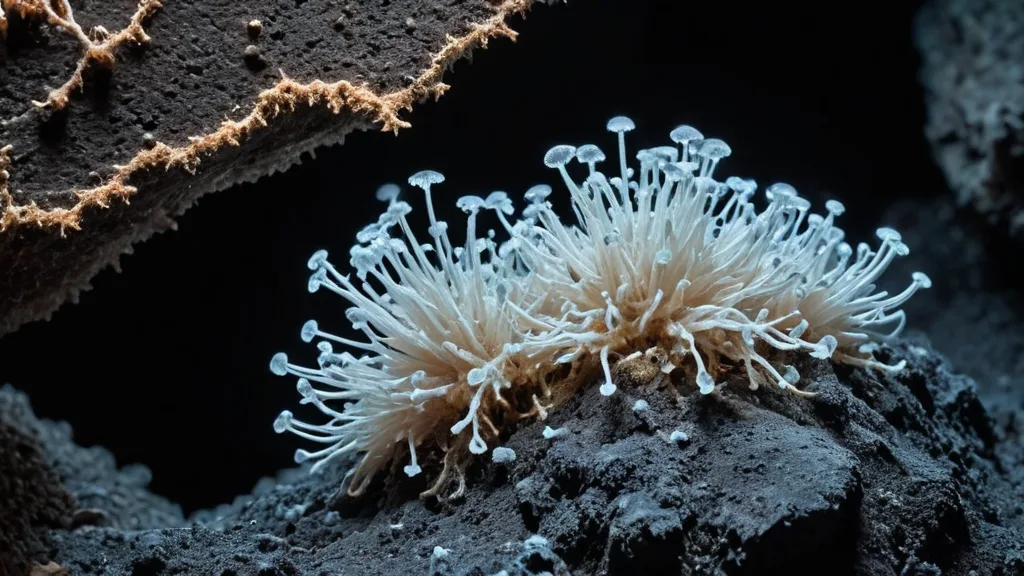
2. Opportunistic Mushroom Invasions and the Overwhelming of Native Species
As the external organic load is rapidly fermented, the white mold layer that forms on damp cave rocks covers the breeding grounds of cave crickets, spiders, and arthropods. The gases released can poison the cave’s delicate microclimate and disrupt the natural balance that has developed over thousands of years within a matter of weeks.
3. Speleology “Zero Trace” Protocol
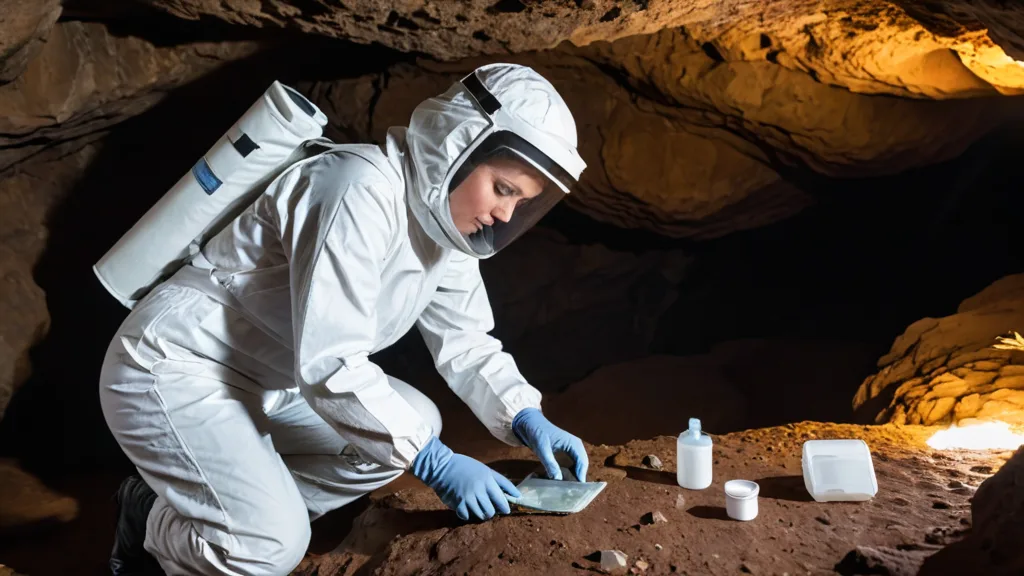
In modern cave research, surgical-level hygiene protocols are implemented to protect the biosphere. Even a single strand of hair or a flake of skin shed by researchers is recorded by cave biologists. At cave tourism sites, the entry of external microorganisms is attempted to be prevented through the use of wooden walkways and air locks.
4. The Future of Underground Water Sources
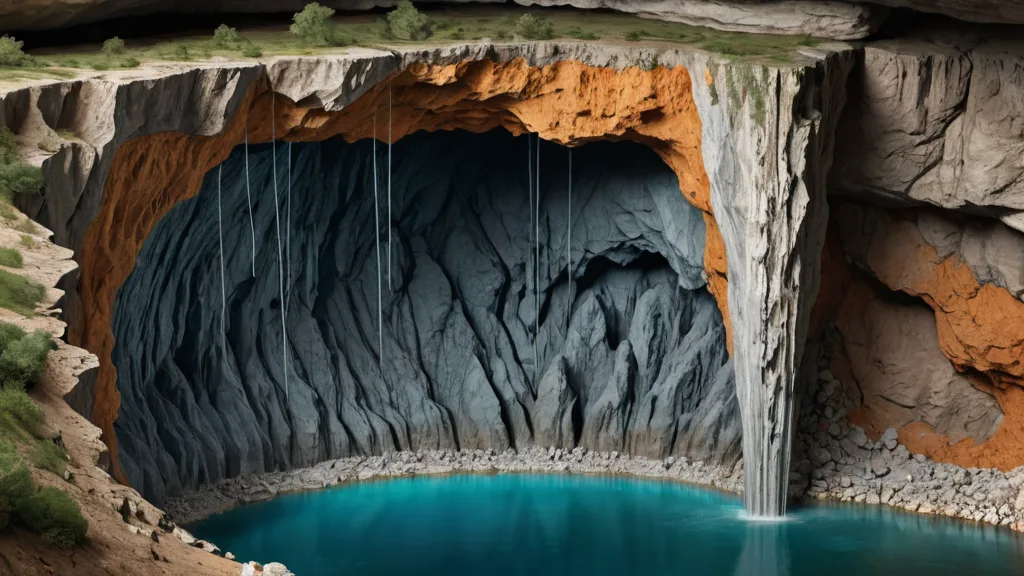
Karstic cave systems are also natural filters of the aquifers that supply drinking water to millions of people. The collapse of the underground biological treatment mechanism means the pollution of surface freshwater basins as well. Protecting underground biodiversity is directly protecting the planet’s water security.
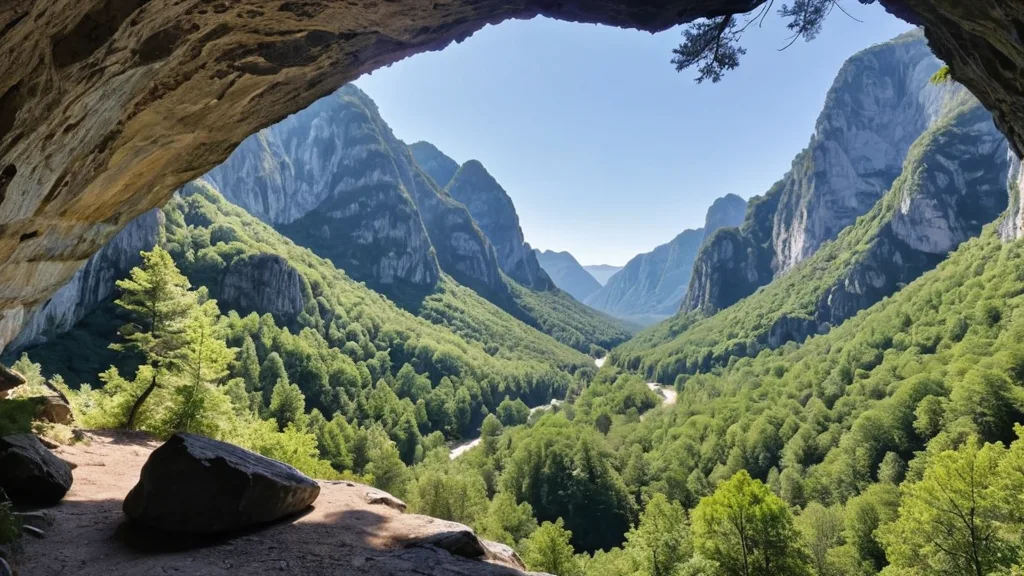
5. Comparative Characteristics of Subsurface Ecosystems
| Biome / Region | Claro Level | Nutrient Source | Biodiversity Risk |
|---|---|---|---|
| Entrance Zone | Variable Sunlight | Surface vegetation, debris | Low (Synchronized with the external environment) |
| The Twilight Zone | Very Low Claro | Bats, leaking organic matter | Medium (Partial Sensitivity) |
| Deep Darkness (Escuro Zone) | Absolutely Zero Claro | Only leak water and chemosynthesis | Critically High (Zero Tolerance) |
| Underground Aquifers | Zero Claro | Dolomitic limestone | Drinking water source pollution risk |
6. Frequently Asked Questions (FAQ)
What is a troglobite and how does it live? Creatures that spend their entire life cycle in underground caves devoid of sunlight are called troglobites. Their eyes and skin pigments have regressed, while their senses of touch and smell have become exceptionally developed.
Why doesn’t organic decay in a cave rot for centuries or, conversely, explode? Soil bacteria are not found in caves. Processed, fatty foods disrupt the natural cycle of the environment and feed opportunistic toxic mold colonies uncontrollably.
Is bat guano in caves harmful? No. Guano is the natural, balanced, and fundamental nutritional engine of the cave ecosystem, developed over thousands of years; it is entirely different from synthetic waste brought in from outside.
Why do cave researchers use special disinfectant? To avoid carrying fungi from one cave to another (such as White Nose Syndrome, which kills bats), equipment is sterilized before every dive.
How do karstic caves affect our drinking water? Surface water flows through cracks into karstic caves without undergoing any mechanical filtration. The pollution in the caves reaches drinking water wells directly.
7. Conclusion: Earth’s Quietest Legacy
Caves are time capsules that freeze the evolutionary history of our planet. A few seconds of human negligence can destroy the genetic library that nature has woven over millions of years. When stepping underground, the only thing to be carried is admiration, and the only thing to be left behind should be zero trace.
Bu gelişme hakkında düşüncelerinizi, donanım deneyimlerinizi veya sorularınızı Comunidade Forumumuzda paylaşın.
Foruma Katıl & Yanıtla ➔






















Seja o primeiro a comentar
Desenvolva sua ideia com uma fonte, pergunta ou contra-argumento construtivo.